One-piece dental implants may sound like just another option in a long list of tooth-replacement terms. But did you know that the way a dental implant is built can influence how treatment is planned, how many steps are involved, and how the final tooth connects to its foundation? A dental implant has to create a stable foundation in the jaw and support the visible tooth replacement above the gums. Some implant systems use separate pieces to connect those parts. Although it may seem like a small detail, the connection point near the gum line can be important because it sits next to tissue that requires long-term support and protection.
Peri-implantitis is a plaque-associated inflammatory disease that affects the gum and bone around dental implants. Implant design is not the only factor. Home care, maintenance visits, oral health history, and treatment planning all contribute to long-term implant health. Still, connection points near the gum line deserve attention. In two-piece implants, the microgap between the separate parts may collect bacteria, increasing the risk of inflammation around the implant.
Implant construction deserves a closer look. A one-piece dental implant uses a single structure, which can simplify the treatment sequence and reduce the number of separate parts near the gum line. When you compare tooth replacement options, even a small design detail can influence larger parts of care, including treatment timing, maintenance, and long-term tissue health.
What Are One-Piece Dental Implants?
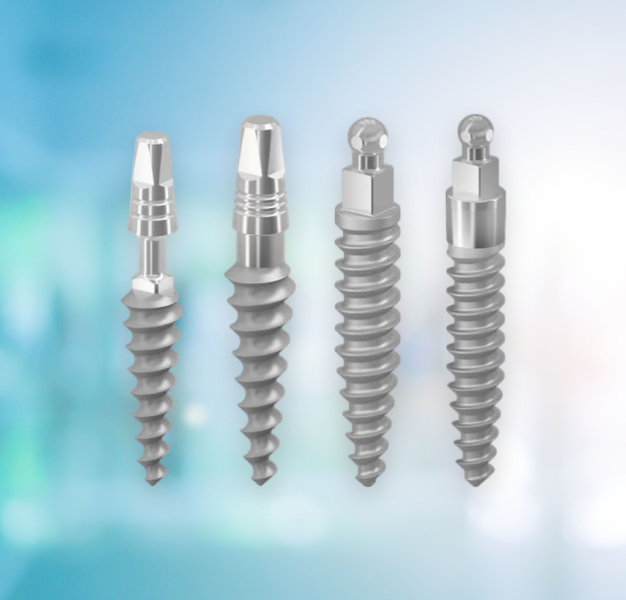
A one-piece dental implant gets its name from its structure. In this type of implant, two key parts come together as one solid unit: the implant post and the abutment.
The implant post is the portion that we place into the jawbone. It serves as the foundation for the replacement tooth. The abutment is the connector above the gumline that links the implant post to the crown, bridge, or denture. Its job is important because it helps hold the final restoration securely in place while you bite and chew.
With many traditional dental implants, the post and abutment are two separate pieces that attach with a small screw. A one-piece dental implant combines those two components into a single unit. Since the post and abutment are fused together from the start, the implant has a simpler structure with fewer separate parts. This helps create a strong connection between the implant and the restoration it supports.
Are Mini Dental Implants Considered One-Piece Implants?
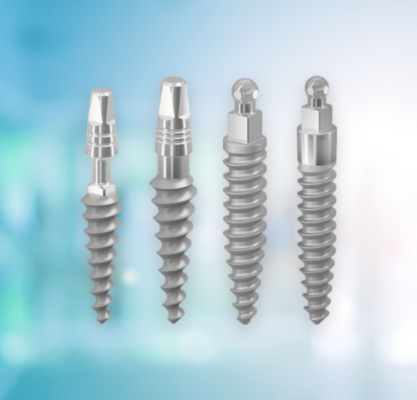
A one-piece implant is the broader category, and mini dental implants fall under it. Mini dental implants are mainly defined by their smaller diameter.
Mini implants are less than 3 millimeters wide, roughly half the size of a traditional dental implant.
What Are the Benefits of Mini Dental Implants?
Traditional dental implants typically require ample bone for stable placement. When the jawbone has shrunk after tooth loss, patients may need bone grafting before treatment can move forward. Mini dental implants often require less bone, so we can often place them in the existing jaw structure without bone augmentation.
Traditional implant treatment also often involves flap surgery, sutures, and a longer healing period before the final restoration can be attached. With mini dental implants, we create a small pilot hole through the gums and place the implant directly into the bone. Many patients only need local anesthesia for this process.
The one-piece design also removes the need for a second surgery to attach the abutment. Since the connector is already part of the implant, the treatment process can involve fewer appointments, a shorter recovery, and, in select cases, faster support for a crown, bridge, or denture. For patients who want a less invasive option or who may not be ideal candidates for traditional two-piece implants, mini dental implants can offer a more efficient path to tooth replacement.
Explore a Simpler Path to Tooth Replacement
One-piece dental implants raise an important question: should the structure of the implant affect the way you choose tooth replacement? At J. Michael Williams, DDS, we look at the details that shape treatment from the start, including bone volume, gum health, bite pressure, restoration type, and long-term maintenance.
Mini dental implants support a wide range of tooth replacement options with a less invasive process. For many patients, this approach can make implant treatment more manageable, especially when bone loss or a more involved surgical process has made treatment seem out of reach.
Schedule a free implant consultation at J. Michael Williams, DDS, to discuss one-piece dental implants and the tooth replacement options available to you.